


Safely Introducing New Dogs

There is a diagnosis in veterinary medicine referred to as Big Dog Little Dog, or BDLD. It refers to injuries sustained by a smaller dog as the result of trauma inflicted by a larger dog. These injuries often include bite wounds, extensive soft tissue trauma, and injuries to the head, neck and thorax. These injuries can be extensive and even life threatening.
Time and again, we see this type of injury presented to our ER, especially during the following circumstances:
- Holidays- family and friends bring dogs into others’ homes
- Adoptions- new dogs are brought into the home
- Puppies- people often assume that an adult dog will not hurt a puppy because they understand that it is a baby. Unfortunately, this is not always true, and puppies are particularly vulnerable to aggression from other dogs.
While this article specifically discusses dogs, their body language and behaviors, it is important to realize that introducing cats and other small animals to dogs can result in similar or even more severe injuries.
Safely Introducing New Dogs: Protecting Small and Young Dogs
Bringing a new dog into your home is exciting, but safe introductions are essential for long-term harmony and injury prevention, regardless of their size. Whether dogs are visiting or plan to stay forever, it is especially important to safely and properly introduce large dogs to small dogs or puppies, where size differences alone can cause serious harm, even during friendly play.
From a veterinary perspective, most dog-related household injuries are preventable with proper structure, supervision, and controlled introductions.
Why Safe Introductions Matter
Poor introductions can lead to:
- Fear-based aggression
- Long-term anxiety
- Inter-dog conflict
- Physical trauma
Small dogs and puppies are especially vulnerable due to:
- Fragile bodies
- Incomplete communication skills
- Fear responses
- Increased risk of accidental injury
Safe Introduction Basics
1. Start Outside on Neutral Territory
Introduce dogs outdoors in calm, neutral spaces such as quiet sidewalks or fenced yards. Avoid confined indoor spaces for first meetings.
At Tufts VETS, we’re proud to bring these innovations to our community, ensuring pets have access to the very best that modern veterinary medicine has to offer.
Use Parallel Walking
Walk dogs on leash at a distance, gradually decreasing space as long as both remain calm. This allows safe scent and visual exposure without pressure.
Keep Interactions Short
Allow brief sniffing, then separate. Multiple short interactions are safer than long encounters.
2. Safe Indoor Introductions
Only move indoors after successful outdoor interactions.
Begin by preparing the area:
- Keep leashes on
- Remove food and toys
- Maintain calm energy
- Avoid crowded spaces
Always Supervise
New dogs, especially small dogs and puppies, should never be left unsupervised during early introductions.
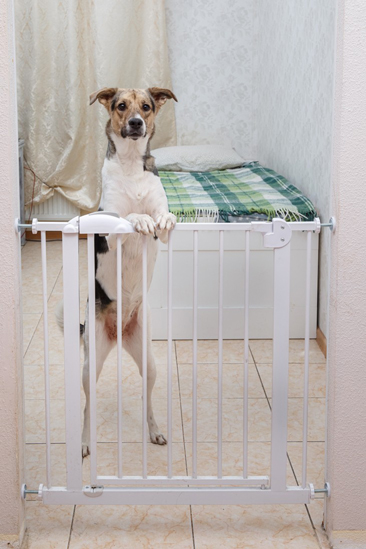
Use Barriers
Baby gates, crates, and exercise pens allow safe exposure without physical contact.
Create Safe Zones
Every small dog and puppy needs a protected space where larger dogs cannot enter. Likewise, small dogs and puppies should not be allowed to invade the protected space (such as a bed or crate) of the larger dog, as this can lead to conflict.
Protecting Small Dogs and Puppies
Size Mismatch = Real Risk
Large dogs can seriously injure small dogs or puppies without aggressive intent. Jumping, pawing, or rough play alone can cause:
- Head trauma
- Spinal injury
- Internal bleeding
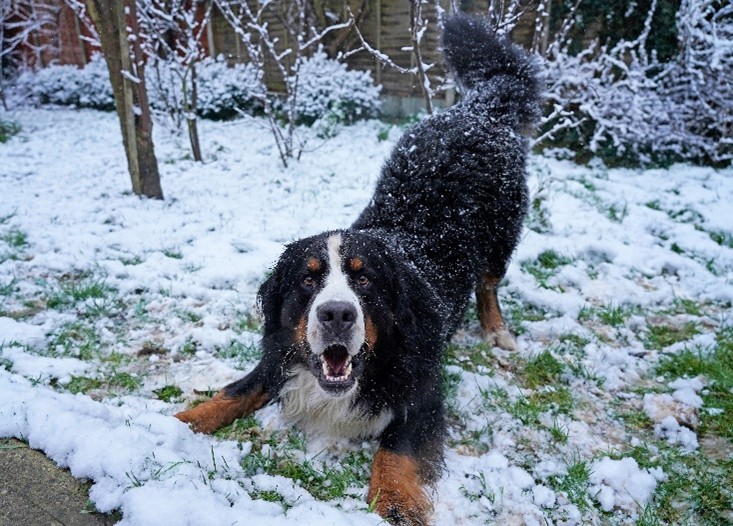
This dog is demonstrating the classic play bow with a soft mouth expression and high tail, indicating that it is friendly and wants to play.
Play vs. Danger
Healthy play looks loose and balanced. Positive signs of play include:
- Loose, wiggly bodies- dogs are relaxed, not rigid
- Curved movements- dogs approach each other by circling or from the side instead of stiffly and directly from the front
- Reciprocated chasing- dogs take turns chasing each other
- Play bows- front end down and hind end up in the air is the universal dog signal that they want to play
- Soft mouths- relaxed facial expressions and mouthing is normal play but not hard biting or snarling
- Sharing toys
Red flags include:
- Pinning- one dog holding the other dog down either by the neck or by covering them with their body
- Antagonization- one dog repeatedly engaging the other dog who is not showing interest in play
- Fear vocalization
- One-sided chasing- one dog chasing another who is not reciprocating the chase
- Nervous body language- freezing, hiding, yawning, tucking their tail between their legs (even if it is wagging back and forth) or cowering are signs that the dogs is nervous and needs some space

This puppy is showing signs of fear with its tail tucked, lowered head, closed mouth and staring eyes.
If play becomes unbalanced, stop the interaction immediately. It can be difficult to tell the difference between play fighting and actual fighting. When in doubt, separate the dogs.
Even the most steadfast, mature adult dog can lose patience with a persistent, energetic puppy or small dog. Encourage pets to take breaks from interactions to allow both to rest and reset.
When to Get Help
Consult a qualified dog trainer or a certified behaviorist if you see:
- Growling or snapping
- Ongoing fear
- Avoidance behavior
- Resource guarding
Final Thoughts
Safe dog introductions are about patience, structure, and protection—not speed. This is especially critical when introducing large dogs to small dogs or puppies, where the risk of injury is significantly higher.
Slow, controlled introductions protect physical safety, emotional well-being, and long-term household harmony. When in doubt, physically separate the dogs and remain aware of both dogs’ emotional state
Should your dog be involved in an altercation, it is best to bring it to a veterinarian to have its injuries assessed by a doctor, as internal trauma may not be obvious. If you have concerns about your dog that was involved in an altercation, please call our hospital at 508-668-5454.
This content is for educational purposes and does not replace professional veterinary or behavioral consultation.