


Feline Cystadenomatosis ("Blueberry Ears") and Diode Laser Treatment
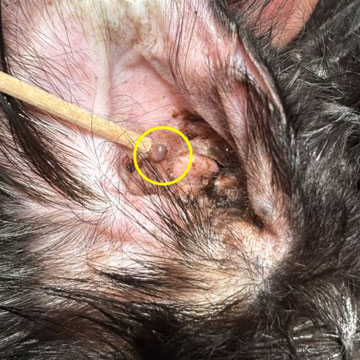
Figure 1: Ear cysts are often visible at the opening of the ear canal.
Many cat owners assume persistent ear scratching, head shaking, or ear sensitivity is caused by ear mites or infection. While those conditions are common, another cause is often overlooked: feline cystadenomatosis, sometimes called ear cysts, blueberry ears, or ceruminous cystomatosis.
This benign condition affects modified sweat glands in the skin and is most commonly seen in the ears of middle-aged and senior cats. Although the cysts are not cancerous, they can alter the shape of the ear canal, leading to secondary infections, discomfort, and in severe cases, obstruction of the ear canal.
Fortunately, modern veterinary medicine offers an effective treatment option: diode laser surgery, a minimally invasive technique that allows precise removal of these cysts while minimizing discomfort and recovery time.
What Is Feline Cystadenomatosis?
Feline cystadenomatosis is a benign disorder involving the modified sweat glands that produce ear wax. Over time, these glands can develop multiple fluid-filled cysts that appear as dark blue or purple nodules, giving rise to the nickname "blueberry ears."
Although most commonly found on the inner ear flap and ear canal opening, similar cysts may also develop around the eyes, lips, or anus.
While the cysts themselves are typically not painful, they can create problems when they narrow the ear canal or become associated with secondary infections.
What Causes It?
The exact cause remains unknown, but several factors have been identified:
- Age: Most affected cats are middle-aged to senior, with an average age around 11 years.
- Sex: Male cats may be slightly more likely to develop the condition.
- Breed: Current evidence does not support a breed predisposition.
- Location of affected glands: The modified sweat glands are most concentrated around the ear openings and ear canal.
- Bilateral involvement: Most cats develop cysts in both ears, although severity may differ between sides.
Research has not found a connection between cystadenomatosis and feline leukemia virus (FeLV), feline immunodeficiency virus (FIV), Papillomavirus, ear mites, allergies, or chronic illnesses.
Clinical Signs
When cysts occur around the ear canal opening, they can interfere with normal ear function and increase the risk of ear infections.
Owners may notice:
- Dark blue, purple, or occasionally flesh-colored cysts
- Head shaking or ear flicking
- Scratching at the ears or head
- Pain when the ears are touched
- Redness or swelling
- Ear discharge or odor
- Recurrent ear infections
- Hearing changes if the canal becomes obstructed
Some cats may also become irritable, withdrawn, or less tolerant of handling.
How Is It Diagnosed?
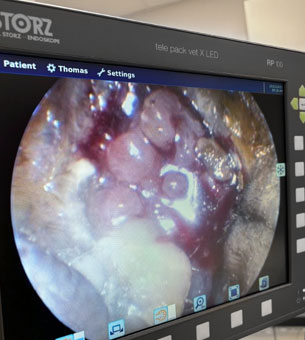
Figure 2: Multiple cystadenomas are visible in this cat's ear canal using otoscopy.
Diagnosis begins with a physical and ear examination. Your veterinarian will assess:
- The size and location of the cysts
- Evidence of infection or inflammation
- Whether the ear canal and eardrum can be visualized
Because benign cystadenomatosis can resemble a malignant tumor called a ceruminous gland adenocarcinoma, biopsy and histopathology are often recommended to confirm the diagnosis.
Advanced imaging such as CT scans may occasionally be used when deeper ear involvement is suspected.
Treatment Options
Treatment depends on the severity and location of the cysts.
Small cysts that are not causing discomfort or obstruction may simply be monitored. When cysts contribute to recurrent infections, discomfort, or narrowing of the ear canal, surgical removal is often recommended.
Historically, treatment options included cryosurgery, chemical ablation, CO₂ laser surgery, or, in severe cases, removal of part or all of the ear canal. Today, diode laser surgery provides a less invasive alternative for many patients.
How Diode Laser Treatment Works
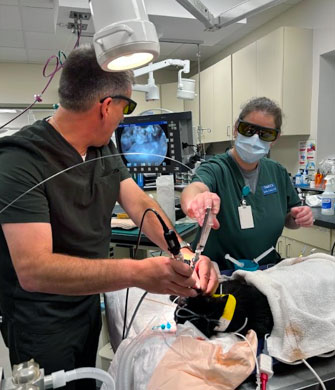
Figure 3: Dermatologist Dr. Loft and his technician perform diode laser removal of ear cysts on a feline patient.
Diode lasers use concentrated infrared energy to precisely remove abnormal tissue while minimizing damage to surrounding structures.
Because laser energy simultaneously seals small blood vessels and nerve endings, the procedure offers several advantages over traditional surgery:
- Excellent precision in confined areas such as the ear canal
- Reduced bleeding
- Less postoperative discomfort
- Lower risk of infection
- Minimal swelling
- Faster recovery
What to Expect During the Procedure
Cats undergo general anesthesia for comfort and safety.
During the procedure:
- The ear canal is examined and cleaned as needed.
- The laser is used to carefully remove the cystic tissue.
- Any remaining debris is flushed from the ear canal.
- Most patients return home the same day.
Recovery and Aftercare
Recovery is typically straightforward. Postoperative care may include:
- Pain medication
- Antibiotics if infection is present
- An Elizabethan collar to prevent scratching
- Follow-up examinations
- Ear cleaning and monitoring as needed
Most cats resume normal activities quickly and show noticeable improvement in comfort.
Prognosis
The outlook for cats treated with diode laser therapy is excellent.
Most patients experience:
- Resolution of clinical signs
- Preservation of normal ear function
- Improved comfort and quality of life
- Low recurrence rates when cysts are thoroughly removed
For cats with chronic underlying otitis or allergies, addressing the root cause helps prevent additional problems.
When Should You See a Veterinarian?
Schedule an examination if your cat develops:
- Persistent head shaking
- Recurrent ear infections
- Ear discharge or odor
- Ear sensitivity or pain
- A visible mass or "blueberry-like" growth
- Changes in hearing or balance
Early diagnosis allows for more treatment options and may help prevent chronic ear disease.
Final Thoughts
Feline cystadenomatosis is a common benign condition in older cats that can range from a cosmetic concern to a significant cause of ear discomfort and recurrent infections. Diode laser therapy offers a safe, precise, and minimally invasive treatment option that can restore comfort while preserving normal ear function.
If you notice unusual growths around your cat's ears or signs of chronic ear irritation, consult your veterinarian. Early evaluation can help ensure the best outcome and keep your cat comfortable for years to come.
At Tufts VETS, our Dermatologist, Dr. Klaus Earl Loft, has treated many cases of feline cystadenomatosis (he even named his own social media account after it!). If you or your veterinarian are concerned that your cat may be experiencing this condition, please call our Dermatology service at 508-668-5454 to schedule a consultation with Dr. Loft.